Unlike other martial arts, which focus on fighting and breaking bones, aikido is based not on attack, but rather harmoniously subduing an opponent. This is accomplished by blending with the energy of the attacker through circular movements. This is referred to as aikido ki (
Aikido was first brought to the West in 1951 by Minoru Mochizuki. He toured the United States extensively demonstrating aikido. His visit was a pivotal point in the development of aikido.
Although he had a reputation as being virtually unbeatable, O Sensei was deeply troubled by the conflict that arose between his martial skills and his spiritual training. He came to believe that winning at someone else’s expense was not really winning, and spent long hours in meditation searching for a way of resolving conflict through cooperation rather than destruction.
O Sensei’s search led to the discovery of movements within the Japanese martial arts that could be used to subdue an opponent without hurting him. These techniques were then combined with the spiritual concept of katsujinken / satsujinken – the unification of all humanity in a single heavenly kingdom on earth – to create aikido.
Ultimately, O Sensei’s students took this art worldwide. One such student was Kisshomaru Ueshiba, who is known as the second Doshu. He sent aikido teachers to the world to establish dojo and teach his style of aikido. Despite its initial obscurity, aikido is now practiced all over the world by people of diverse backgrounds.
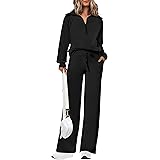
PRETTYGARDEN Women's 2 Piece Outfits Casual Lapel Half Zip Sweatshirts and Wide Leg Pants Tracksuit Sets
$38.99 (as of January 14, 2026 06:53 GMT +00:00 - More infoProduct prices and availability are accurate as of the date/time indicated and are subject to change. Any price and availability information displayed on [relevant Amazon Site(s), as applicable] at the time of purchase will apply to the purchase of this product.)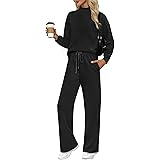
WIHOLL Two Piece Sets for Women Fall Outfits Lounge Sets Mock Neck Tops Wide Leg Pants Vacation Travel Airport Outfits
$29.60 (as of January 14, 2026 06:53 GMT +00:00 - More infoProduct prices and availability are accurate as of the date/time indicated and are subject to change. Any price and availability information displayed on [relevant Amazon Site(s), as applicable] at the time of purchase will apply to the purchase of this product.)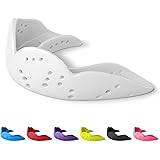
SISU Aero Medium Mouthguard, Snow White - 1.6mm Thin - Custom-Molded Fit - Slim Design - Remoldable Up to 20 Times - for Team Sports - Non Toxic
$19.99 (as of January 14, 2026 06:53 GMT +00:00 - More infoProduct prices and availability are accurate as of the date/time indicated and are subject to change. Any price and availability information displayed on [relevant Amazon Site(s), as applicable] at the time of purchase will apply to the purchase of this product.)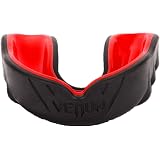
Venum Challenger Mouthguard - Red/Black
$11.89 (as of January 14, 2026 06:53 GMT +00:00 - More infoProduct prices and availability are accurate as of the date/time indicated and are subject to change. Any price and availability information displayed on [relevant Amazon Site(s), as applicable] at the time of purchase will apply to the purchase of this product.)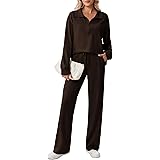
PINSPARK 2 Piece Sets for Women 1/2 Zip Sweatsuit Loose Fit Sweatshirt Straight Leg Pants 2025 Matching Outfit Fall Tracksuit
$39.19 (as of January 14, 2026 06:53 GMT +00:00 - More infoProduct prices and availability are accurate as of the date/time indicated and are subject to change. Any price and availability information displayed on [relevant Amazon Site(s), as applicable] at the time of purchase will apply to the purchase of this product.)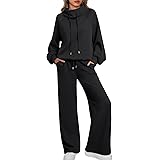
AUTOMET Lounge Sets for Women Sweatsuits 2 Piece Outfits 2025 Fall Drawstring Sweatshirt Wide Leg Sweatpants Tracksuit
$44.99 (as of January 14, 2026 06:53 GMT +00:00 - More infoProduct prices and availability are accurate as of the date/time indicated and are subject to change. Any price and availability information displayed on [relevant Amazon Site(s), as applicable] at the time of purchase will apply to the purchase of this product.)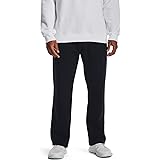
Under Armour Men's Rival Fleece Pants
$38.50 (as of January 14, 2026 06:53 GMT +00:00 - More infoProduct prices and availability are accurate as of the date/time indicated and are subject to change. Any price and availability information displayed on [relevant Amazon Site(s), as applicable] at the time of purchase will apply to the purchase of this product.)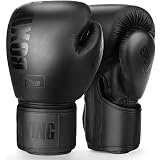
FIVING Boxing Gloves for Men and Women Suitable for Boxing Kickboxing Mixed Martial Arts Muay Thai MMA Heavy Bag Training
$18.99 (as of January 14, 2026 06:53 GMT +00:00 - More infoProduct prices and availability are accurate as of the date/time indicated and are subject to change. Any price and availability information displayed on [relevant Amazon Site(s), as applicable] at the time of purchase will apply to the purchase of this product.)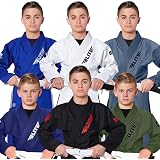
Elite Sports IBJJF Ultra Light BJJ Brazilian Jiu Jitsu Gi for Kids with Preshrunk Fabric and Free Belt
$45.99 (as of January 14, 2026 06:53 GMT +00:00 - More infoProduct prices and availability are accurate as of the date/time indicated and are subject to change. Any price and availability information displayed on [relevant Amazon Site(s), as applicable] at the time of purchase will apply to the purchase of this product.)